Foundations
The Establishment of the Yeshiva and its relocation to the Holy Land
Amidst the glorious chapters of the history of the Torah world throughout the generations dwells the Lomza Yeshiva—an eternal flame that is never extinguished.
The Yeshiva was founded in the year 5643 (1883) in the city of Łomża, Poland, by the Gaon Rabbi Eliezer Shulevitz, of blessed memory—one of the prime disciples of Rabbi Yisrael of Salant. He instilled within it his educational approach: a combination of toiling in Torah, the study of Musar (ethics), and the refinement of character traits.
It was the first Lithuanian-style Yeshiva established on Polish soil, and its opening marked the beginning of a new chapter in the region’s Torah life. Its immense influence transcended the boundaries of time and place, serving as a role model for many yeshivas built by its light—among them the illustrious Novardok yeshivas established throughout Russia.
Rabbi Eliezer set a goal for himself to educate his students toward building a complete spiritual personality—immersed in study through diligent effort, character development, and constant introspection. Under his leadership, the Yeshiva flourished and became a magnet, drawing numerous young men from all over Poland and the surrounding areas.
Over the years, as harsh decrees intensified and antisemitism swept across Europe, the Gaon Rabbi Eliezer Shulevitz, of blessed memory, made a historical decision: to relocate the Lomza Yeshiva to the Holy Land.
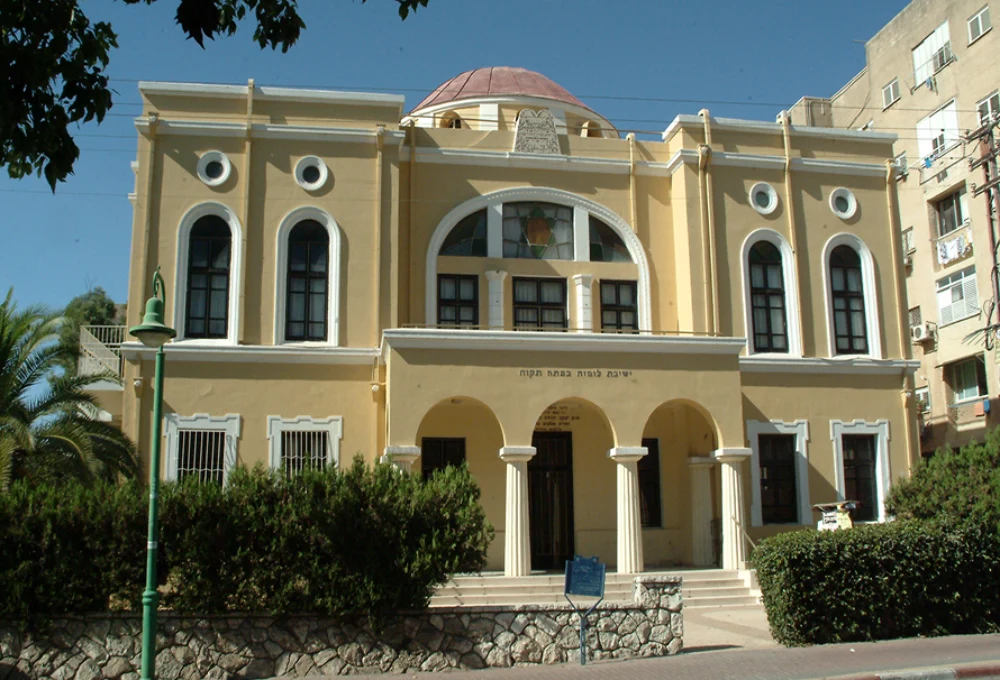
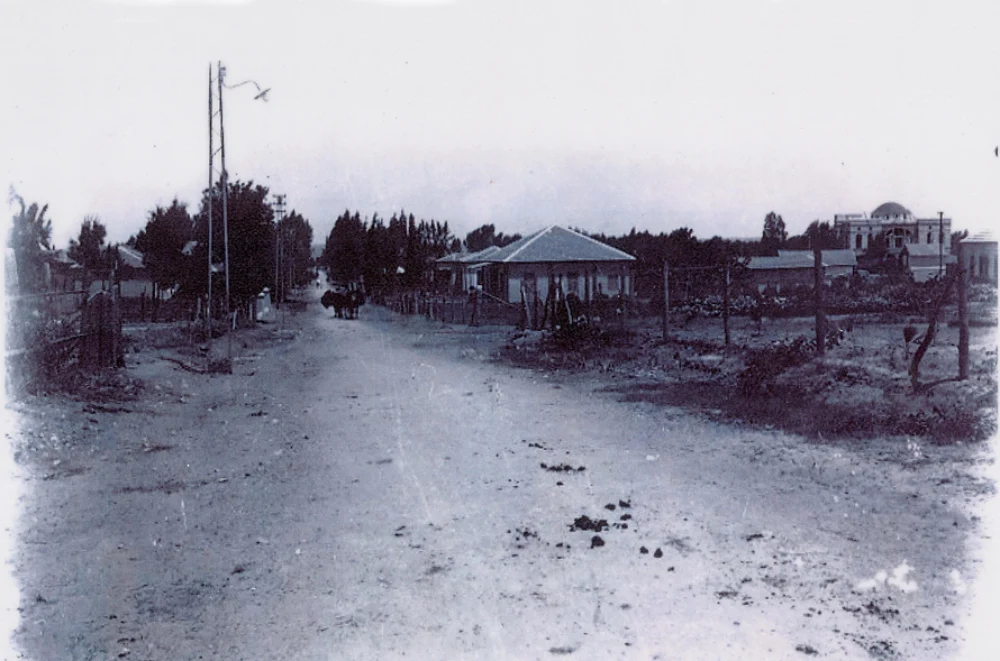
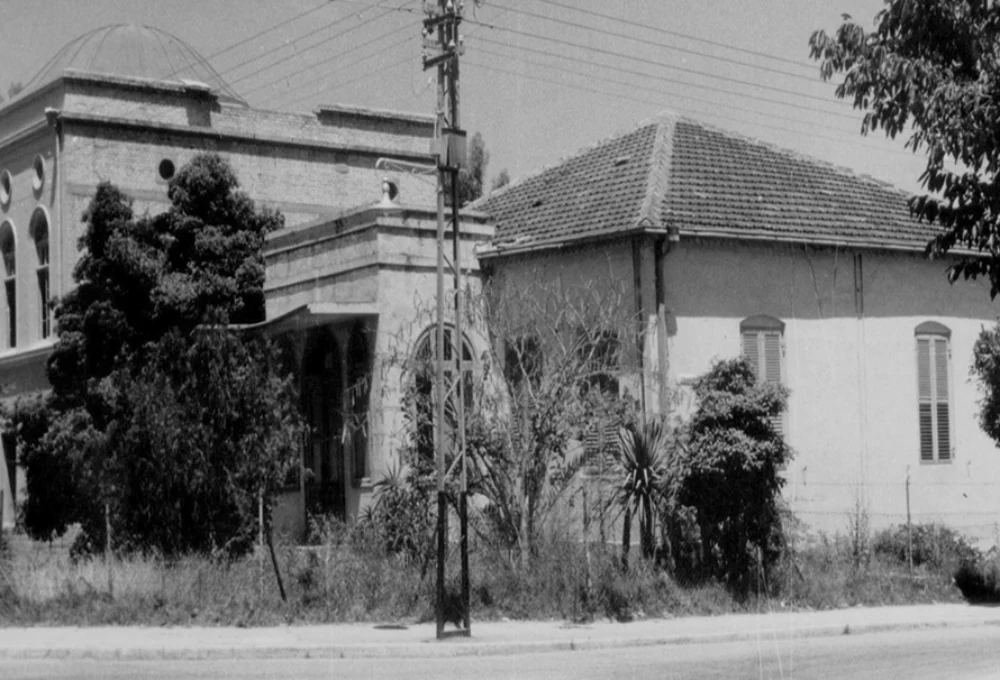
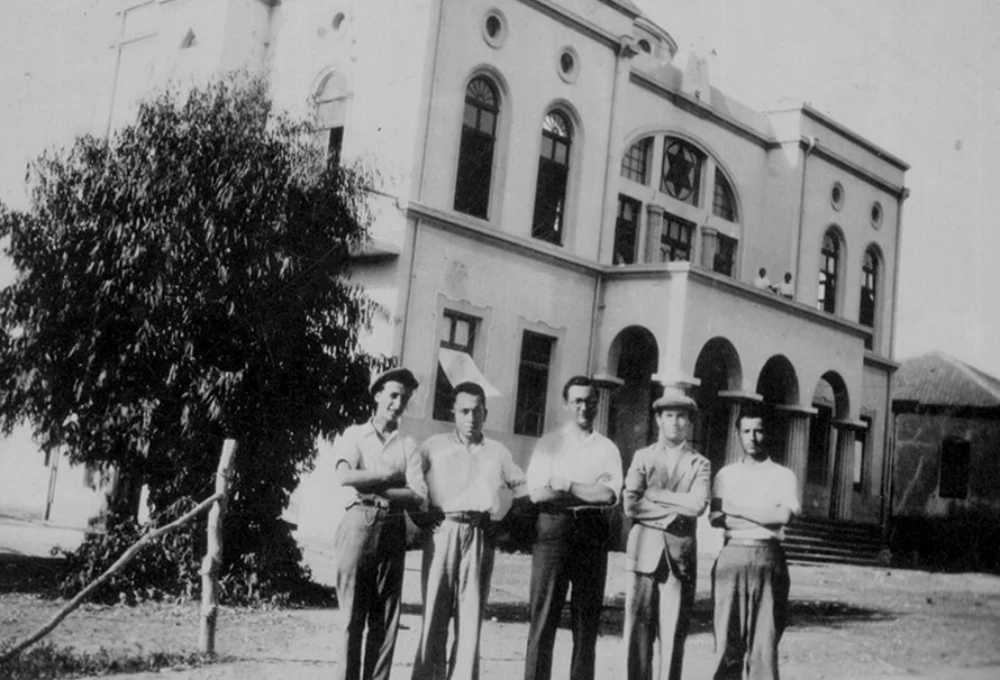
In the year 5686 (1926), the Yeshiva was established in the moshavah of Petah Tikva—a faithful continuation of the glorious yeshiva in Poland, now on the soil of the Land of Israel. Just as in Łomża, here too, its foundations were laid upon toiling in Torah, the study of Musar, and character development, and it became a cornerstone in the building of the Torah world in Israel.
And so, among the houses of the young moshavah, another link was woven into the golden chain of Lomza—a tradition of Torah and fear of Heaven that continues from generation to generation.
Building
Growth and Establishment in Petah Tikva
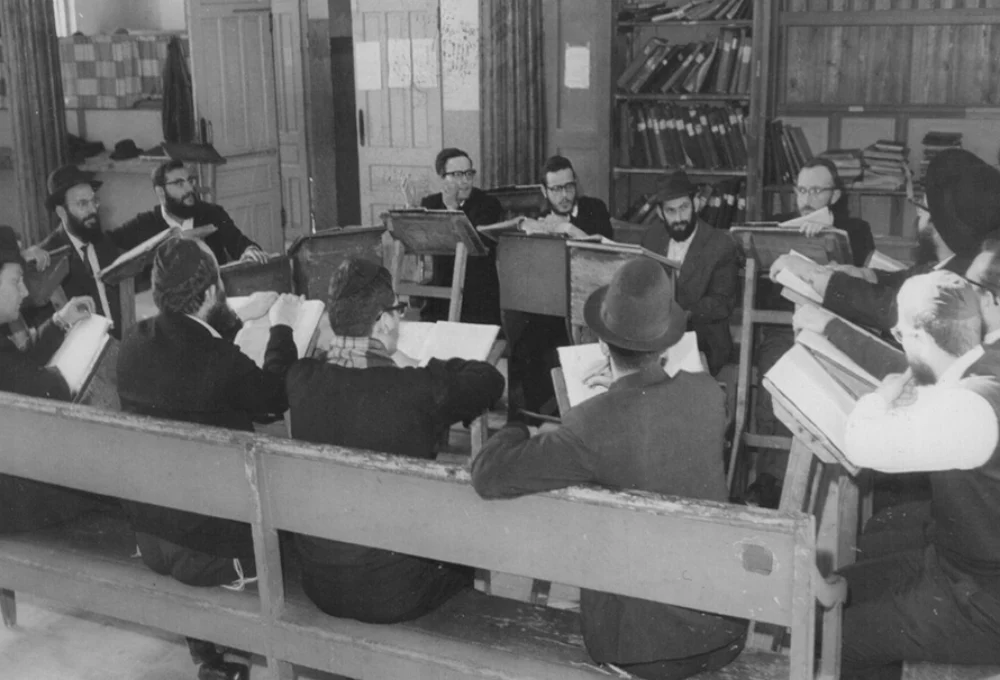
Upon establishing its seat in Petah Tikva, the Lomza Yeshiva faced significant challenges. The local conditions in the Land [of Israel] were fundamentally different, and its establishment demanded great toil, determination, and vision. However, that same Lomza spirit that originated in Lithuania—that dedication to Torah and steadfastness in the face of hardships—is what drove its leaders and students here as well, until it became a center of Torah and fear of Heaven in the Land of Israel. The Yeshiva quickly became renowned for its name and glory, serving as a spiritual lighthouse in the Yeshiva world. Within the walls of Lomza grew many of the Torah giants of the recent generation—Maran Rabbi Chaim Kanievsky and Rabbi Gershon Edelstein, of blessed memory; Rabbi Yaakov Edelstein, Rabbi Moshe Shmuel Shapira, Rabbi Shmuel Rozovsky, Rabbi Eliyahu Mishkovsky, Rabbi Zalman Rotberg, Rabbi Mordechai Mann, Rabbi Reuven Yosef Gershonowitz, Rabbi Yissachar Meir—and many others. Many of them later became Roshei Yeshiva (Deans of Yeshivas) and world-renowned giants, who built new tiers in the edifice of Torah in the Land [of Israel] and the Diaspora, bequeathing the legacy of Lomza to tens of thousands of their students. Heading the Yeshiva in the Holy Land was the Gaon Rabbi Yechiel Mordechai Gordon, of blessed memory, who was known for his fatherly devotion to the Yeshiva and his noble character traits. Following his passing, the burden of leadership was borne with responsibility and wisdom by the Gaon Rabbi Eliezer Ozer, of blessed memory. He cared for every student as an only child, and preserved the unique atmosphere of Lomza—a home of Torah and Musar.
A New Tier
Kollel HaAvreichim – A New Tier
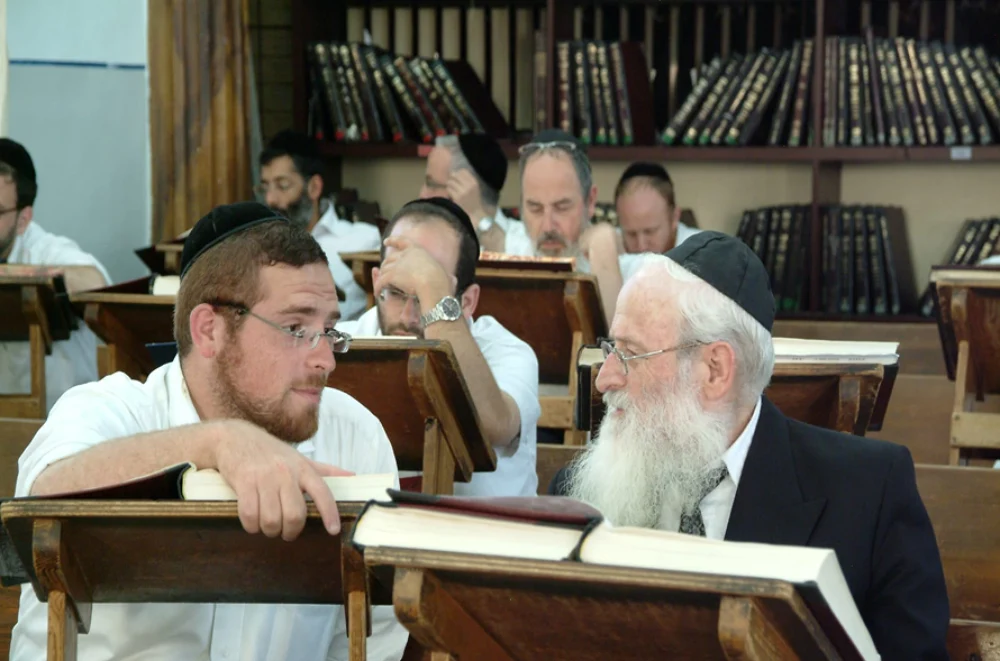
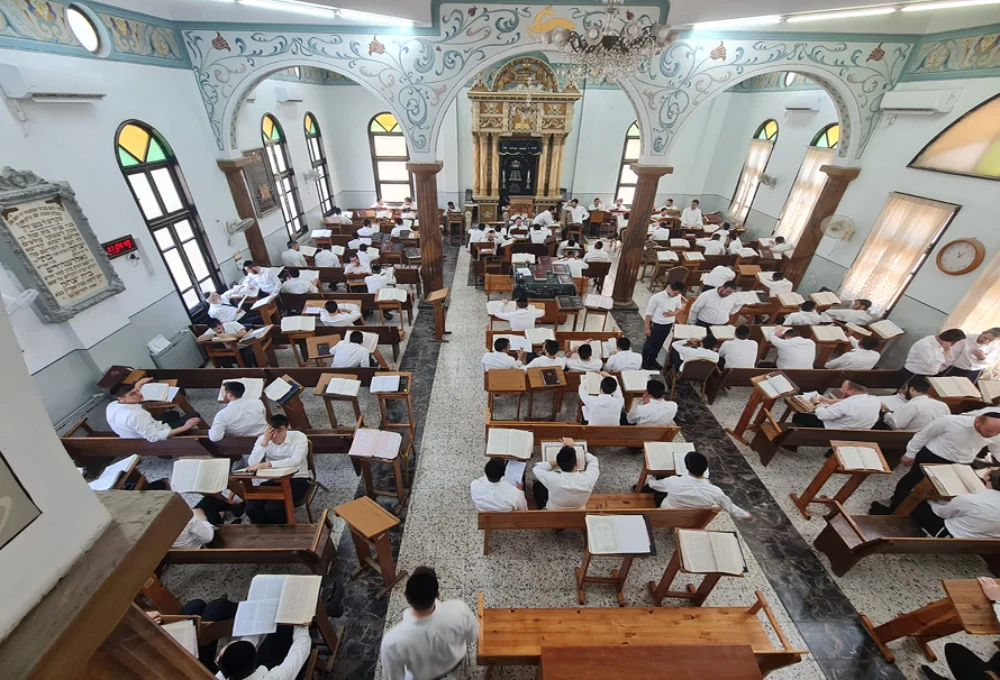
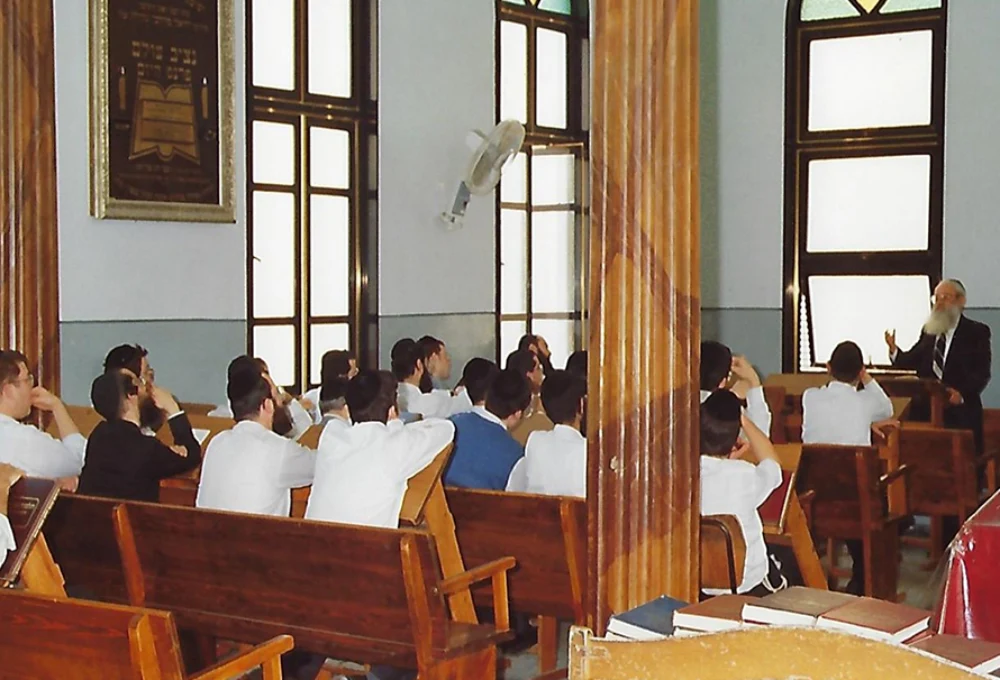
In the year 5725 (1965), following a period of Torah flourishing in the Holy Land—during which numerous yeshivas were opened, many by Lomza alumni—Rabbi Eliezer Ozer, of blessed memory, saw that the time had come to elevate Lomza by an additional tier. In consultation with the Gedolei Yisrael (Torah giants of the generation), he made a revolutionary decision: to close the Yeshiva in its current format and establish within its halls a Kollel for Avreichim (married Torah scholars) that would continue the path and unique style of Lomza. In those days, there were hardly any Kollels for married Avreichim in the Land of Israel, and this step was considered pioneering and groundbreaking. From then until today, Lomza has maintained its uniqueness—holding a place of honor at the forefront (Mizrach) of the Torah world. The bustling Kollel residing within its halls continues the path of the glorious Yeshiva, operating with that same warm and vibrant yeshiva atmosphere. Its essence is to bring the learning from potential into actuality, and to cultivate the great figures of the next generation: educators, Dayanim (rabbinic judges), rabbis, and community leaders. Within its halls resounds the voice of Torah from dozens of Avreichim, delving into Torah and Musar just like young bochurim—in the exact same path and by the exact same light. Thus stands the edifice whose foundations were laid in Łomża, Poland, over a century ago, continuing to illuminate and glorify the Torah world, generation after generation.